More Than Just Design—They’re a Secret Code for Quality
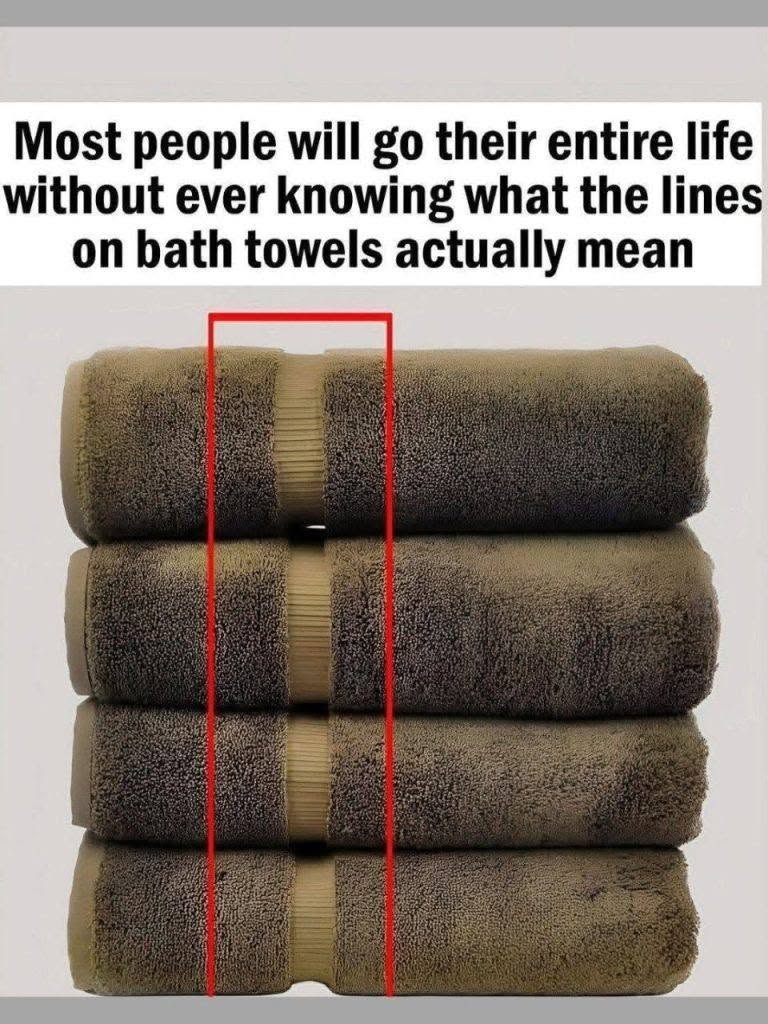
You’ve probably run your fingers over them: those neat rows of lines, stripes, or bands woven into your bath towels.
At first glance, they look like simple decoration—maybe a pop of color or a stylish accent.
But in reality, those lines are a subtle language—telling you about the towel’s quality, construction, and even care instructions.
Let’s decode what they really mean.
 The Hidden Messages in Towel Lines
1. Horizontal Lines = Quality & Density
Where they appear: Usually near the top (hem) or bottom edges
What they mean: These lines often mark areas with higher loop density or extra-weft weaving—meaning more cotton, more softness, and better durability.
Why it matters: More loops = greater absorbency and a plush, spa-like feel.
2. Thick, Bold Bands = Reinforced Construction
Towels with wide, textured stripes (often in contrasting colors) typically indicate:
Heavier fabric weight (measured in GSM—grams per square meter)
Reinforced stitching to prevent fraying
Longer lifespan—these towels are built to last through hundreds of washes
3. Color-Coded Lines = Care or Branding Cues:
In hotels or spas, colored stripes often indicate:
Towel type (bath sheet vs. hand towel vs. washcloth)
Laundry sorting (e.g., white stripe = bleach-safe)
In retail brands, signature stripes (like Frette’s double band or Matouk’s border) signal luxury heritage.
4. Vertical vs. Horizontal Weave Lines
Vertical loops (running top to bottom): Standard construction
Horizontal accent lines: Often created by jacquard weaving—a sign of higher-end manufacturing and design intentionality
 How to Use This Knowledge When Buying Towels
Feature
What to Look For
⬇️For more information, please continue to the next page⬇️
