
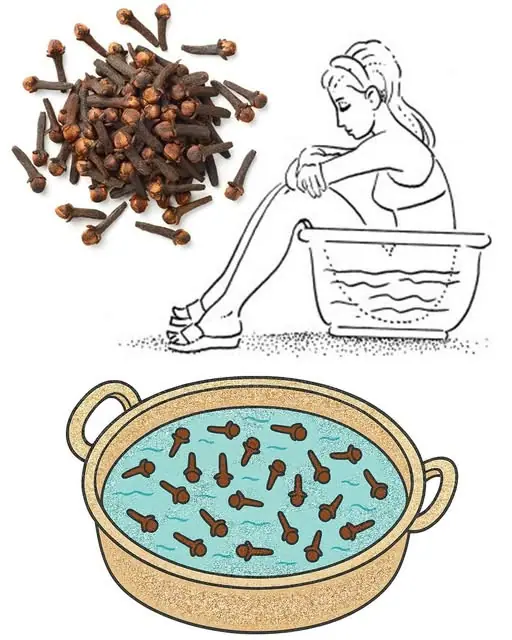
You may have seen this tip circulating on social media: a sitz bath with clove water to soothe, purify, and gently recover. The idea seems appealing, especially when you're looking for natural ways to take care of yourself. But before you rush to the kitchen to infuse your cloves, there are some essential things to know. Because certain areas of the body deserve special attention—and a great deal of care.
What exactly is a sitz bath?
It's not often discussed, yet it's a practice recognized by many healthcare professionals. A sitz bath involves immersing the lower body in a few centimeters of lukewarm water, either in a clean bathtub or a special basin. Simple, accessible, and often very effective.
Midwives and gynecologists regularly recommend it after childbirth to relieve discomfort associated with hemorrhoids or to soothe minor irritations. And the good news? Warm water alone already does a lot of the work, stimulating circulation and relaxing muscles.
Clove: a star among natural remedies, but to be handled with care
Used for centuries in traditional medicine, cloves contain eugenol, a compound with antioxidant and mildly antiseptic properties. In dentistry, they are also well known for relieving pain.
But be careful: applying clove-infused water to intimate areas is a completely different story. The mucous membranes and delicate skin in these areas are much more reactive and absorbent than the rest of the body.
Some women report a soothing sensation from the warmth of the water. But let's be honest: no scientific study confirms that clove water treats infections, eliminates odors, or improves intimate health . And the risks are very real.
Precautions you absolutely need to know
Eugenol can irritate sensitive tissues, causing redness, itching, or even a burning sensation. Furthermore, the vaginal flora thrives at a slightly acidic pH (between 3.8 and 4.5) — an herbal infusion can easily disrupt this delicate balance and reduce the beneficial protective bacteria.
Never add clove essential oil to a sitz bath. It's far too concentrated and can cause serious chemical burns. And if you have an active infection, wounds, or stitches, completely avoid homemade infusions.
⬇️For more information, please continue to the next page⬇️
