
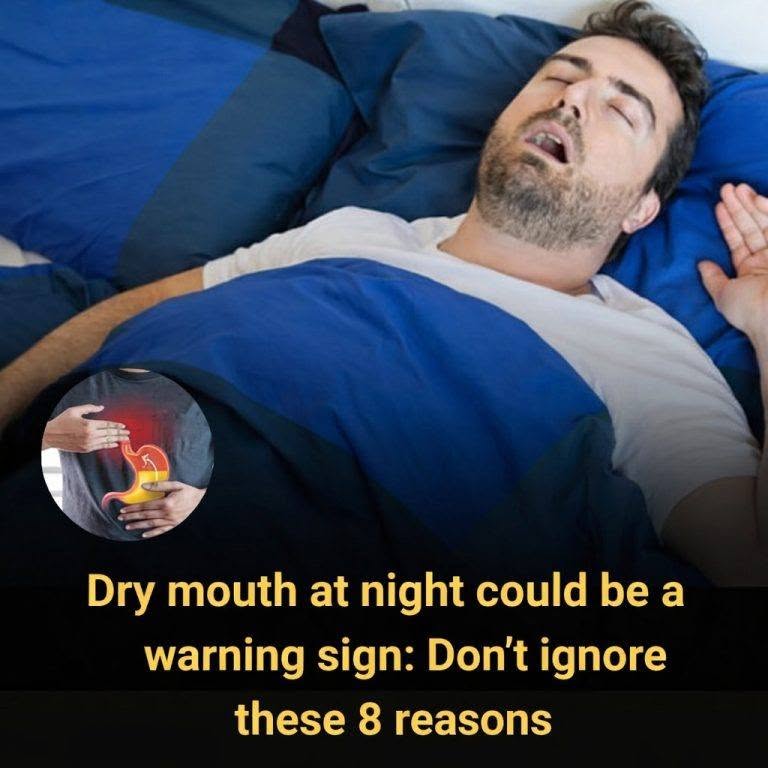
Waking up in the middle of the night with a dry, uncomfortable mouth is a common experience. Many people dismiss it as a minor inconvenience, often blaming dehydration or sleeping habits. However, persistent dry mouth at night—also known as nocturnal xerostomia—can sometimes signal underlying health issues.
Understanding the possible causes can help you take action early and protect your overall well-being. While occasional dryness is normal, chronic symptoms deserve attention. Below is a comprehensive guide to what might be causing your discomfort and when it is time to seek professional help.
Article At a Glance
Condition: Nocturnal Xerostomia (Dry Mouth at Night)
Primary Cause: Reduced saliva production during sleep
Key Risks: Tooth decay, gum disease, oral infections, sleep disruption
Common Triggers: Dehydration, mouth breathing, medications, sleep apnea, diabetes
Prevention Focus: Hydration, humidifiers, oral hygiene, sleep position
Action Step: Consult a doctor if symptoms persist despite home remedies
Why This Topic Matters: More Than Just Thirst
Dry mouth occurs when the salivary glands do not produce enough saliva. Saliva plays a crucial role in maintaining oral health, aiding digestion, and preventing infections. It acts as a natural cleanser, washing away food particles and neutralizing acids produced by bacteria.
When saliva production decreases during sleep, symptoms such as dryness, bad breath, or a sticky feeling in the mouth may appear. Ignoring these signs can lead to long-term complications. By understanding the root causes, you can address not just the symptom, but the underlying condition affecting your health.
8 Common Causes and Warning Signs
1. Dehydration
1. Dehydration
One of the most common causes of dry mouth is simply not drinking enough water throughout the day.
Signs to Watch: Persistent thirst, dark-colored urine, and general fatigue.
What to Do: Drink adequate water throughout the day, especially before bedtime. Avoid drinking excessively right before sleep to prevent nighttime bathroom trips.
2. Mouth Breathing
Sleeping with your mouth open can quickly dry out your oral cavity, bypassing the natural humidity of nasal breathing.
Common Causes: Nasal congestion, allergies, or structural issues like a deviated septum.
Solution: Treat underlying nasal problems with appropriate medication or therapy. Consider using a humidifier to add moisture to the air.
3. Sleep Apnea
Sleep apnea is a serious condition where breathing repeatedly stops and starts during sleep. Dry mouth is a common side effect due to forced mouth breathing during these episodes.
Symptoms: Loud snoring, gasping for air during sleep, and excessive daytime fatigue.
Action: If you suspect sleep apnea, a sleep study may be necessary for diagnosis and treatment.
4. Medication Side Effects
Many medications can reduce saliva production as a known side effect.
Common Culprits: Antihistamines, antidepressants, and blood pressure medications.
What to Do: If dry mouth began after starting a new medication, consult your doctor. Do not stop taking prescribed medication without medical advice.
Medical Facilities & Services
5. Acid Reflux (GERD)
Gastroesophageal reflux disease (GERD) can cause stomach acid to move up into the esophagus, especially at night when lying flat.
Symptoms: Burning sensation in the chest, bitter taste in the mouth, and throat dryness or irritation.
Management: Managing diet and sleeping position (elevating the head) may help reduce symptoms.
6. Diabetes
Dry mouth can be an early sign of diabetes due to high blood sugar levels causing increased urination and dehydration.
Additional Signs: Frequent urination, increased thirst, and unexplained weight loss.
Action: If you suspect diabetes, seek medical testing promptly. Early management is crucial for long-term health.
7. Stress and Anxiety
Mental health can also affect physical symptoms, including saliva production. The body’s stress response can inhibit salivary flow.
Effects: Reduced saliva, teeth grinding (bruxism), and poor sleep quality.
Solution: Relaxation techniques, such as meditation or deep breathing, may help alleviate symptoms.
8. Poor Oral Health
Gum disease or oral infections can contribute to dry mouth, creating a cycle of discomfort and deterioration.
Warning Signs: Bleeding gums, persistent bad breath, and tooth sensitivity.
Prevention: Regular dental check-ups are essential to catch and treat issues early.
Limit Caffeine and Alcohol: Both substances can contribute to dehydration and worsen dryness.
When to See a Doctor
While home remedies help many people, professional evaluation is necessary in certain cases. Seek medical advice if:
Dry mouth occurs frequently despite lifestyle changes.
Symptoms interfere with your ability to sleep or eat.
You notice additional health changes like weight loss or excessive thirst.
Home remedies do not help after consistent尝试 (trial).
