
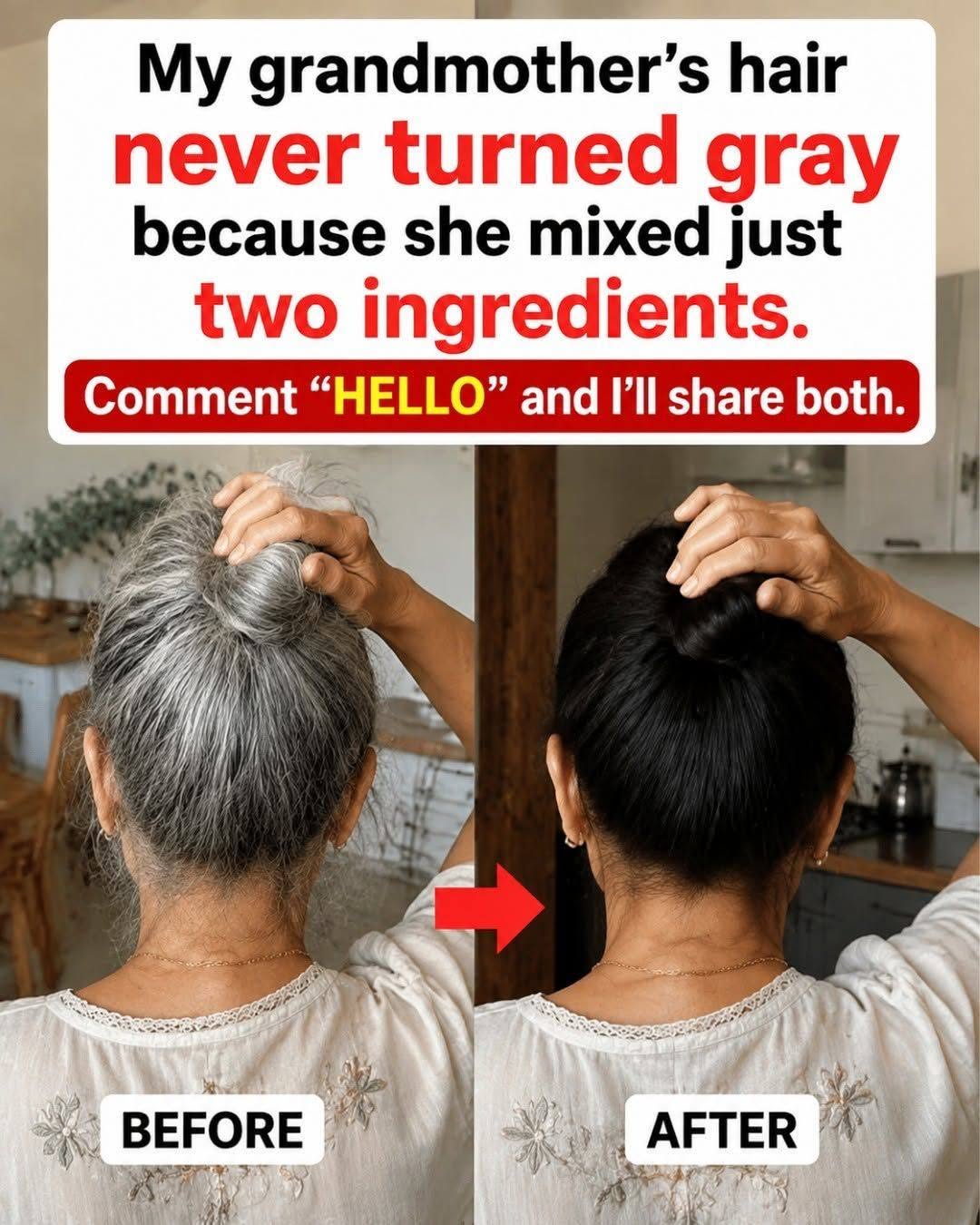
After the henna treatment, prepare the indigo separately according to its instructions and apply it to the hair. The final shade can vary depending on your natural hair color, the amount of gray, processing time, and the particular products used.
It is important to understand what this method can and cannot do. Henna and indigo can color existing gray hair, but they do not restore the pigment-producing cells inside the hair follicle. In other words, they can change the appearance of gray strands, but they cannot stop the biological process that causes new hair to grow gray.
If your goal is healthier, longer-looking hair, the bigger difference comes from consistent hair care. Use a gentle shampoo, condition the lengths of your hair, minimize excessive heat styling, avoid overly tight hairstyles, and protect your hair from unnecessary chemical damage. A balanced diet containing adequate protein, iron, vitamin B12, zinc, and other essential nutrients also supports normal hair growth.
If gray hair appears unusually early or suddenly, especially when accompanied by significant hair loss, thinning, fatigue, or other changes, it may be worth discussing the situation with a healthcare professional. In some cases, an underlying nutritional deficiency or medical condition can contribute to changes in hair.
And perhaps the most beautiful lesson from the old-fashioned approach is that healthy hair does not require an expensive routine. Whether you choose to embrace silver strands, use natural hair color, or visit a professional colorist, the best strategy is one that protects your scalp and keeps your hair strong, moisturized, and manageable.
Your grandmother may not have had a secret formula capable of stopping aging, but she may have understood something modern hair care sometimes forgets: simple, consistent care can make a remarkable difference in how your hair looks and feels.
